
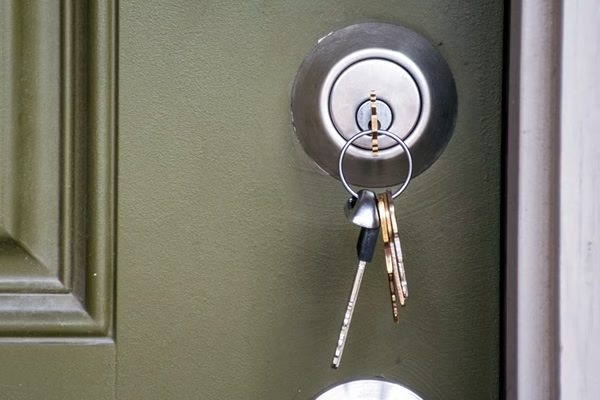
Before a locksmith leaves after a rekeying job, you should test every new key in all rekeyed locks with the door both open and closed, verify that your old keys no longer work, and check that deadbolts throw smoothly without catching. Conducting this quick 3-minute check ensures your home or business is completely secure and eliminates the need for a follow-up service visit. At
Short Answer
Before signing off or paying for a rekeying job, verify the following four items while the technician is still on site:
-
Old Key Test: Insert your old key into every rekeyed lock to confirm it no longer turns or unlocks the cylinder.
-
Open-Door & Closed-Door Key Test: Turn all newly issued keys from both the inside thumbturn and outside keyway while the door is open, then repeat with the door closed and latched.
-
Smooth Bolt Movement: Ensure the latch or deadbolt extends fully into the strike plate without needing to push, pull, or lift the door.
-
Key Count & Spares: Confirm you have received the exact number of new working keys requested and that every duplicate operates smoothly.
What This Means for Customers
Checking the operation while the technician is standing right there allows any minor pin adjustments or strike plate alignment fixes to be handled immediately at zero hassle to you.
Common Causes, Options, or Considerations
A lock that works smoothly while the door is open but sticks when closed usually indicates a door alignment issue rather than an internal lock pin problem:
-
Weatherstripping Pressure: Fresh or thick weatherstripping in places like
Fountain Hills, AZ -
Different Lock Brands: If you had multiple door locks rekeyed to match a single master key (keyed alike), make sure every single knob and deadbolt turns effortlessly with the new key.
-
Residential Locksmithing Commercial Locksmithing
When to Contact a Professional
If you notice any of the following issues during or after a rekeying appointment, ask your locksmith to correct them before they depart:
-
You have to jiggle, pull, or force the new key to get it to turn.
-
The key feels difficult or tight when inserting or extracting it from the cylinder.
-
The old key still turns the cylinder even partially.
-
The deadbolt does not extend fully into the jamb frame when locked from the inside.
How Blue Monkey Lockout Services Can Help
At
Our rekeying and lock assistance services include:
-
Full home and commercial door lock rekeying
-
Master key system setup
-
Precision
house key replacement and duplication -
Emergency
car lockout service lockout services
Local Service Area
We deliver reliable locksmithing and rekeying services throughout
Frequently Asked Questions
What if my new key feels sticky after rekeying?
A sticky key usually means one of the internal tumbler pins is off by a fraction of a millimeter or the key blade needs a light deburring. Have the locksmith inspect and smooth the key cut or replace the bottom pin before leaving.
Why should I test keys with the door closed?
A lock may turn smoothly when the door is open, but if the door frame, strike plate, or latch pocket is slightly misaligned, closing the door can cause binding against the deadbolt.
Should old keys be discarded immediately after rekeying?
Yes. Once you verify that your old keys no longer operate any rekeyed lock cylinders, collect all old spares from family or staff and dispose of them or recycle them responsibly.
How many keys should I receive after a rekey job?
That depends on your initial agreement with your locksmith. Always confirm the exact number of key copies included with your service quote before work begins.
Final Call to Action
Need to rekey your home or office locks in Fountain Hills?